

Are you worried that using a shared shower might put your feet in danger? Many people do not think much about this. But there are real risks you need to know. Your habits in the communal shower can have a big effect on your foot health. In this text, we will look at what you should do to keep your feet safe.
You have just played a game, gone for a swim, or finished your time at the gym. Then, you go into the communal shower with no shoes on your feet. You feel calm, and you might feel some relief too. But do you ever stop and think about this: Do shared showers raise the chance of catching viral verrucae Solihull? Most people do not. That is where the problem starts.
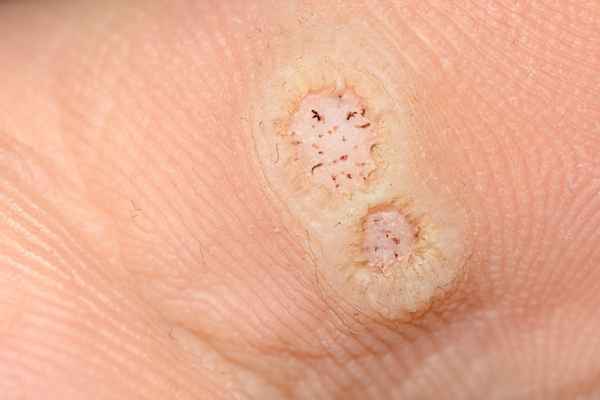
Viral verrucae are better known as plantar warts. These warts are triggered by the human papillomavirus (HPV) infection. This virus is hard to get rid of and likes warm, wet places. Communal showers are a spot where the virus can live well. But is this only a rumour, or is there real science to back it up? In this article, we will look at locker room myths and find out if rinsing off after your workout can actually be bad for you.
Moisture, Heat, and Bare Feet: The Perfect Storm in Communal Showers
So, do communal showers make it more likely to get viral verrucae Solihull? Let’s look at what helps HPV grow:
- Warm, moist environments – Showers hold in heat and water in the air. This makes it easy for HPV to live longer on things you touch in these places.
- Skin contact with surfaces – People use showers with bare feet. This puts the bottom of their feet in full contact with what is there.
- Foot abrasions and softened skin – Bathing makes skin soft. Soft skin can get tiny cuts and tears more easily. These small openings let the virus get in.
Many people use communal showers in gyms, hostels, schools, sports centers, or swimming pool areas every day. Hundreds of people walk barefoot in these places. When even one person with a plantar wart uses the shower, the virus from that wart can get left behind. This can be risky for others who have weak body defenses or have cuts and breaks in their skin. These people can get the virus more easily.
How Long Does HPV Survive on Shower Surfaces?
Scientific studies show that HPV can live on wet and hard surfaces like shared shower tiles for a few days. These places are warm, wet, and dark, which helps the virus stay alive for longer. When skin from people who have the virus gets left behind on these surfaces, it makes it even easier for the virus to stick around.
The problem is that most cleaning is not enough. A lot of products used to clean do not kill HPV well. To kill the virus, the cleaner must be strong enough and stay on the surface long enough. This step is easy to miss, especially in busy gyms or other public places. Because of this, showers might look clean, but they can still spread the virus.
This is why people keep asking, “Do communal showers increase the chance of getting viral verrucae Solihull?” The virus is tough; there are many people who use these showers, and cleaning is not always done well. This makes it easy for the virus to spread in these places.
The Invisible Foot Traffic: Viral Load and Re-Contamination
A Clean Start Doesn’t Last Long
Even if someone cleans and disinfects a communal shower in the morning, it stays that way for only a short time. Every person who goes in during the day brings new germs. This is true, especially if they have plantar warts and do not know it. So, the risk of getting the virus comes back fast. Within a few hours, the floor can have new, unseen, but infectious particles on it.
Viral Shedding Happens Silently
HPV can spread even when you do not see a wart. People can let out the virus through tiny skin cells, flakes, and dead cells. This can happen even when they feel fine and show no signs. These flakes often stay on wet surfaces, which makes it easy for them to carry the virus. You can also give yourself the virus if it gets into soft or weak spots on your skin. It does not need blood or an open sore to get passed on.
Accumulated Risk by Evening
The number of users using the showers during the day is higher, which increases viral load. If you go to the gym, pool, or dorm, etc. There are always many people walking on your bare feet in the communal showers. The more people enter, the greater amount of virus spills onto the floor, particularly in spots where cleaning is less than thorough, or water collects.
Recontamination is Constant and Unseen
This steady flow of people going in and out brings about a loop of germs coming back. Even if you clean the place often, unless you wipe surfaces after each person, there will be more viruses. That’s why big shared showers can so often be places where people pick up infections. So, when people ask, “Do communal showers raise the chance of getting viral verrucae Solihull?” the answer is clear and backed up with facts: yes.

The Evidence: What Does Research Say?
If you still have doubts, let’s look at some data from science.
A well-known study in the British Journal of Dermatology says that people who use shared showers in places like gyms or swimming pools have a much higher chance of getting plantar warts. People who did not use these communal showers did not get plantar warts as much.
Another research paper from the International Journal of Dermatology found that people who swim often and athletes have up to a 45% higher chance of getting plantar warts. This is because they often spend time in places where the floors are wet and many people go, like swimming pools or locker rooms.
In both cases, the main reason was being barefoot for a long time in shared places. This is just what you get in communal showers.
So, the answer to the question, ” Do communal showers raise the chance of getting viral verrucae Solihull? It is now clear that they do. There is a lot of proof, and it is hard to ignore.
How Does the Virus Actually Transfer?
To understand how using communal showers can make it more likely for people to get viral verrucae Solihull, let’s look at how the virus moves from one person to another in a simple way.
Step 1: Viral Shedding
A person who has HPV can spread it through tiny flakes of skin. This can happen when they scrub their skin, dry off with a towel, or even walk barefoot on wet floors.
Step 2: Surface Adhesion
The virus can stay active on wet surfaces for a long time. This can be for several hours or even a few days. It stays around even more on floors with texture because the water stays in the uneven parts.
Step 3: Entry Point
When another person walks on that same floor, the virus can get in through small cuts, soft cuticles, or tiny cracks in the skin.
This way of spreading makes viral verrucae Solihull very easy to catch. This is more likely to happen in places where there are a lot of people, and many people use the same things.
Misconceptions That Fuel Risk
Many common myths help to keep warts, or viral verrucae Solihull, spreading, especially where people gather. These wrong ideas about the different kinds of warts, types of HPV, and the human papillomavirus (HPV) can make people feel safer than they should. This often stops them from taking the right steps, and can cause skin problems and bother those who have it.
1.”Warts Aren’t Contagious.”
This is not true and can be risky. Viral infections on the skin, such as warts from the wart virus HPV, including flat warts, are very easy to catch. They can stay alive for days in damp places like shower floors and benches. You can get the virus even when you do not touch someone directly. Sharing towels, flip-flops, or other things can also spread the virus.
2.”I Wash My Feet, So I’m Safe.”
Washing can help get rid of germs on the skin. But if the virus gets in through a small cut or break in the skin, cleaning after that will not stop you from getting infected. HPV can stay quiet under your skin and work there for a long time before you see any signs.
3.”Only Dirty Showers Spread It.”
Even clean gyms and pools can still be risky. HPV is a tough virus and can live through many normal cleaning steps. If floors are not cleaned with strong virus-killing cleaners, the virus may stay around, and people might not see it.
These wrong ideas stop people from taking steps early and let the virus keep spreading. If people do not question these myths, we will still ask: Do communal showers make it easier to get viral verrucae Solihull? Sadly, the answer will still be yes.
Vulnerable Populations: Who’s Most at Risk?
Anyone can get viral verrucae Solihull spots caused by the human papillomavirus. However, some people, including young people, are more likely to get them. This can be because of the way they act, where they live, or how their bodies work.
Children and Adolescents
They often have thinner and softer skin. This skin can be more easily entered by viruses. Their bodies’ defense systems may also not have met some kinds of HPV before.
Athletes and pharmacy services
People who go to the gym, locker rooms, or sports areas a lot often walk barefoot in public spaces. They also hurt their feet again and again. Over time, this can cause many problems.
Immunocompromised Individuals
People who have weak immune systems because of illness, medicine, or stress may not be able to fight HPV as well. This means that viral verrucae can grow more easily for them.
Elderly
Thinner skin, slower healing, and not paying as much attention to foot care can make this group an easy target.

How to Lower Your Risk Without Giving Up Communal Showers
You do not have to stop going to the gym, swimming, or doing your usual health routine. The main thing is to use smart and steady ways to stop sickness. Here are some tips that help you lower your risk. You do not have to change your way of living.
Wear Shower Shoes
This is your first and best way to protect yourself. Wearing waterproof flip-flops or sandals helps to keep your skin from touching wet floors that can harbor the HPV virus. If someone with a verruca used the shower right before you, your shoes stop the virus from touching your skin. If you have a verruca, it is a good idea to use a waterproof plaster to cover it when you are in places where many people congregate.
Don’t Share Towels or Footwear
It may look harmless, but when you share towels, socks, or shoes, the virus can go from one person to another. HPV can stick to clothes and other things. So, even if you do not see any signs on the skin, you can still get the virus by using things that might be dirty.
Dry Feet Thoroughly
Moisture can really help HPV stick around. After you shower, make sure you dry your feet fully. Pay extra attention to the areas between your toes and on the bottoms of your feet. If your feet stay wet, the skin gets soft, and that makes it easy for the virus to get in. So, if you want to lower your risk, keeping your feet dry is very important.
Inspect Your Feet Regularly
Don’t wait for pain in the soles of your feet to let you know something is wrong. Take some time each week to look at the soles of your feet for early signs of viral verrucae. You may see hard skin, feel some tenderness, or notice small lumps with tiny black dots that look like seeds on your foot. If you spot it early, it’s easier to treat, and there is less chance you will give it to other people.
Boost Immune Health
Even if the virus gets into your skin, a strong immune system can stop it. Focus on having different types of nutritious foods regularly so your body can get the vitamins and minerals it requires. Try to add foods with zinc. You should drink enough water, get enough sleep, and keep your stress low. The healthier your immune system is, the better your body can fight infections such as HPV. A healthy immune system lets you fight bad germs from the inside. Some treatments, like immunotherapy for HPV, may help your immune system get even stronger against these viruses.
Each of these tips to stop it from happening is even more important when you see how easy it is for HPV to spread in places many people use. When you know the real answer to the question “Do communal showers increase the chance of getting viral verrucae Solihull?”, you will feel that these careful habits are not just a choice. They become something you must do.
What If You Already Have a Verruca?
Let’s say you feel pain on your sole and you think it is a verruca. Now, what do you do?
1. Don’t Walk Barefoot in Shared Areas
Cryotherapy, using certain creams, and laser treatments are some of the best ways to treat this problem. But there is not a lot of data. The number of times you need these treatments can be different for each person. It depends on how they respond.
2. Cover It
Use waterproof pads or verruca socks. These help keep the virus in one place. You can also put Vaseline on the skin around the area. This protects that part when you treat it.
3. Seek Treatment
Cryotherapy with liquid nitrogen, salicylic acid, and creams is one of the top ways the NHS uses to treat this. Hot soapy water and laser surgery treatment can be used too. The number of treatments someone needs can be different for each person. That is why it is good to talk to a pharmacist or a podiatrist about it.
4. Practice Patience
Even after you get treatment, viral verrucae may take weeks or even months to go away. This happens because they can come back. The way your body fights sickness is important in this process.
Spotting the issue early can really change things, especially in places where lots of people go. So, what should you remember? If you are trying to stop or deal with the problem, the big question about communal showers and viral verrucae is important when it comes to foot care and keeping your feet clean.
Why Are Some People Constantly Reinfected?
You took care of your verruca, and it went away. But after some weeks, you see it is back again.
This happens for a few reasons:
- Keep coming back to shared showers with no protection, and you can get it again.
- If you only treat the top layer, you might not get rid of the virus that’s deeper down.
- When your body is not strong enough, the virus can stay with you even when you feel fine.
In these cases, the cycle turns into a long-lasting problem. Again, the part that communal showers play is very important. Do we see that communal showers make it easier to get viral verrucae Solihull? For people caught in this cycle, yes, they do.
Final Thoughts:
There have been many questions about whether communal showers can cause people to get viral verrucae. Many people use these places, so the chance might go up. If the shower is not cleaned often, germs can spread easily.
There could be small cuts or broken skin on your feet, and this can let the virus get in. If you use communal showers, you should wear shower shoes. Make sure to clean and dry your feet well after. This can help you lower your risk. So, going to these showers could make it easier to get viral verrucae, but good habits make a big difference.
The proof from experts, people’s actions, and the environment all point to one clear answer—yes. Communal showers do raise the chance of getting viral verrucae for several reasons:
- They keep the perfect space for HPV to live in for a long time.
- Users walk on the same surfaces with bare feet.
- The virus can stay active there for a long time.
- When skin gets soft or tiny cuts appear, it is easy for the virus to get in.
- Bad habits for keeping things clean and not enough cleaning help the virus gather in certain places.
The main point here is not to stop taking showers. It is important to know about the risks and change what you do to stay safe. You need to be careful and keep clean. The shower place should also be kept safe and clean. You should check your feet often to look for any problems.
Next time you go into a shared shower, do not only think, “Is it clean?” Ask yourself, “Am I safe?”
Check out our best-value packages – book today and save with our limited-time discount!
Knowing how viral verrucae Solihull spread and why shared showers can be a problem helps you stay safe when you use public places. You can cut down on your risk by being careful and keeping a lookout for any signs early. If you do this, you can feel good and safe without giving up good hygiene or worrying about your health.
FAQs: Do Communal Showers Increase the Chance of Getting Viral Verrucae?
Q: Can I really catch a verruca just by walking barefoot in a communal shower?
Yes. Verrucae are caused by HPV, a virus that survives extremely well on warm, wet floors. When you walk barefoot in communal showers in Solihull—especially with softened or cracked skin—the virus can enter through tiny breaks and cause an infection.
Q: Why are communal showers such a perfect environment for HPV?
Communal showers remain warm and damp, which makes the environment ideal for HPV, not to mention you have many people using them throughout the day. Such a surrounding enables the virus to live for longer on surfaces, even if the region appears spotless. Cleaning products may kill or reduce germ levels, but they do not always eliminate HPV, so the risk can remain.
Q: How long can HPV survive on shower floors?
HPV can survive on wet surfaces for several hours and sometimes even days, especially in places like gym or leisure centre showers where the floors stay moist for long periods. That means the virus can still be present between different users without anyone realising it.
Q: Can I get a verruca even if nobody currently has a visible one?
One of the reasons verrucae spread so easily is that people don’t need to have visible warts for the virus to pass on. HPV can be shed through tiny flakes of skin that you can’t see, which makes “silent” transmission quite common in shared spaces like showers and changing rooms.
Q: Why do some people keep getting verrucae again and again?
Some people, on the other hand, are just more prone to pick it up again — especially if they are walking around barefoot in public areas. In any event, if you get uncovered once more in a similar domain after treatment, the cycle can begin again — particularly if the immune system doesn’t clear it each time or there is continuing contact with contaminated surfaces.
Q: Are children more at risk of picking up verrucae?
Yes. Children have softer skin and often use school sports facilities or swimming lessons where barefoot contact is common. This makes them more vulnerable to HPV infection.
For Further Information, Please Call Us: 03300 100 392